Logan Keller · 2 September 2026
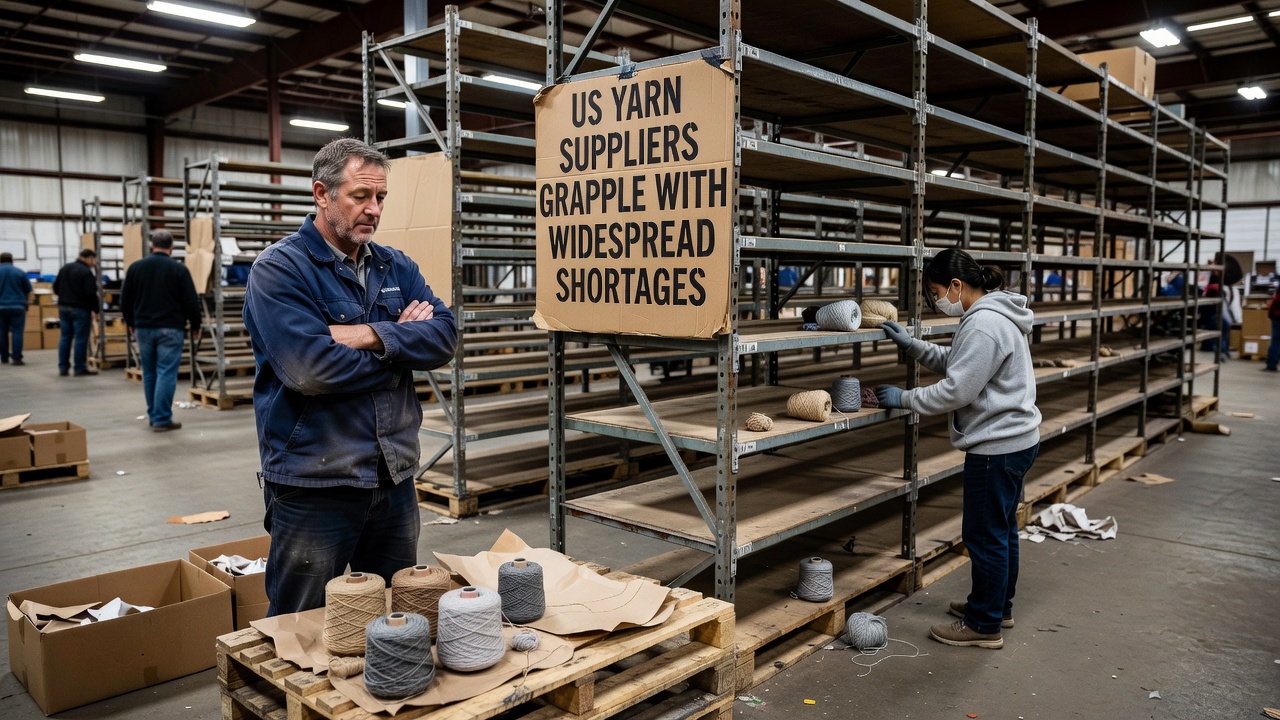
Knitting hobbyists throughout the country are reporting difficulties in sourcing yarn as major suppliers announce shortages affecting their inventories. This development comes at a time when many people have turned to knitting for stress relief and creative expression. The shortages span various types of yarn, from basic acrylics to premium natural fibers, impacting both beginner and advanced projects alike. Retailers are seeing increased inquiries from customers unable to find specific products they need for ongoing work. Many stores have implemented waiting lists and allocation limits to manage dwindling stock.
Causes of the Current Yarn Shortage
Several factors are contributing to the scarcity. Supply chain bottlenecks have delayed shipments from overseas manufacturers, where much of the raw material processing occurs. Rising costs for transportation and materials have also played a role, making it harder for companies to maintain previous stock levels. The surge in popularity of knitting during the past couple of years has outstripped the ability of producers to ramp up output quickly enough to meet the new demand levels. Additionally, workforce challenges at factories and distribution centers have slowed operations. Analysts expect these conditions to continue for the foreseeable future as the industry adjusts to the new normal.
How the Shortages Are Affecting the Knitting Community
Knitters are adapting by exploring alternative suppliers, including smaller local producers who may have more availability. Some are postponing large projects until supplies stabilize. Yarn stores are limiting purchases per customer to ensure fair distribution. Online groups are active with advice on color substitutions and project modifications. The community spirit is evident as members offer support and share resources to keep the hobby enjoyable despite the obstacles. Efforts to boost domestic yarn production are being discussed as a long-term solution to prevent future shortages. The situation highlights the interconnected nature of global markets and how they affect local hobbies. Knitters are encouraged to check with multiple vendors and consider sustainable options when available.