Logan Keller · 2 September 2026
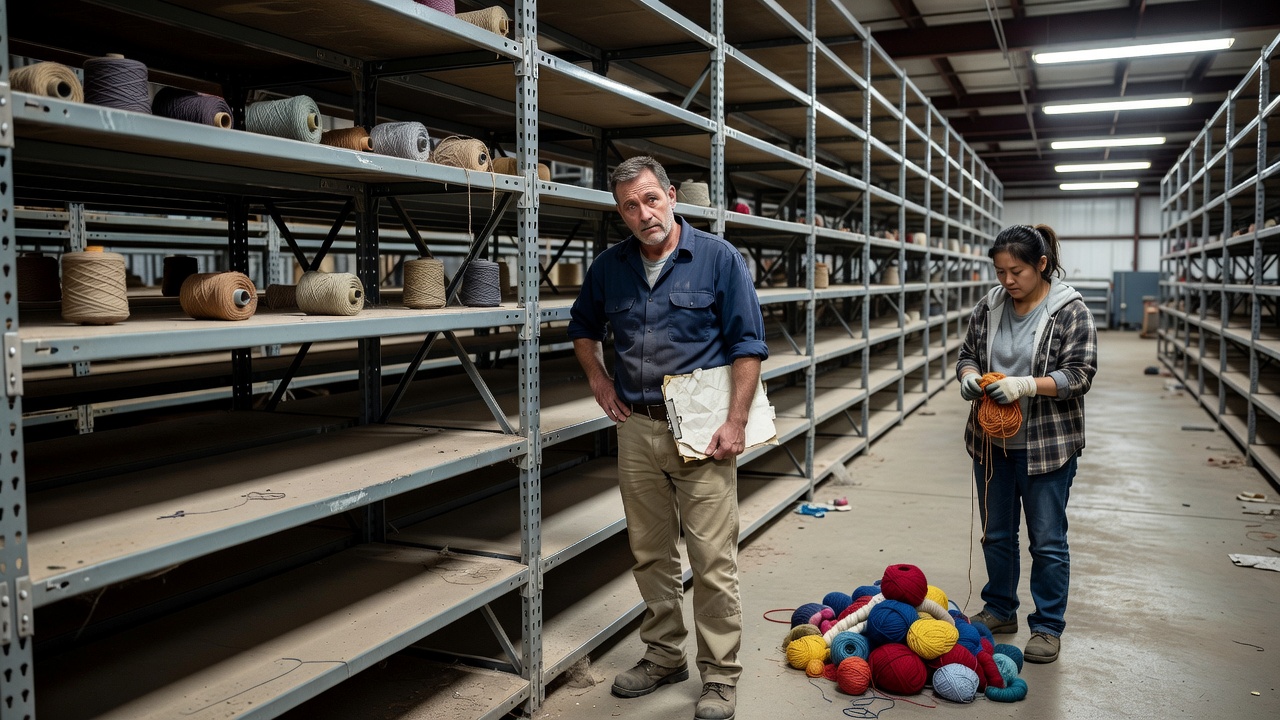
Knitting enthusiasts across the United States are encountering difficulties in obtaining essential supplies as major yarn suppliers report significant shortages. Several leading distributors have confirmed reduced inventory levels, affecting both online and physical retail outlets. This development has surprised many in the community who had not anticipated such constraints following periods of high availability. Industry experts note that the surge in home crafting activities has strained resources. Suppliers are working to increase production but face hurdles in sourcing raw materials promptly.
Supplier Reports and Regional Impacts
Companies such as YarnCo and FiberDirect have issued statements indicating that demand has outpaced production capacity. This situation has led to delays in restocking popular products like wool blends and cotton yarns. Retailers in the Northeast and Midwest have been particularly affected, with some stores limiting purchases per customer to manage dwindling stocks. In the South and West, similar patterns are emerging as word spreads through knitting circles and social media groups dedicated to the craft. Industry analysts point to disruptions in the supply chain as a primary factor. Shipping delays from overseas manufacturers and increased costs for raw materials have compounded the issue. Knitters relying on specific brands for projects are turning to alternatives or local yarn shops that still have limited supplies available. This has fostered a sense of camaraderie among crafters who are now more willing to trade and share materials.
Causes and Outlook
The root causes appear multifaceted, involving both domestic production limits and international trade issues. Future projections suggest gradual recovery as new contracts are negotiated and manufacturing ramps up. Knitters are advised to stock up on essentials where possible and consider learning new techniques that utilize available yarns. Meanwhile, smaller independent producers are seeing a surge in interest as knitters seek out unique, locally sourced yarns. This shift could benefit regional economies but may not fully address the scale of the national shortage. Monitoring inventory levels and diversifying suppliers remain key recommendations for both hobbyists and professionals in the knitting world. Educational resources on sustainable practices are also being promoted to ensure long-term stability in yarn availability. Efforts to diversify sourcing are underway across the board.